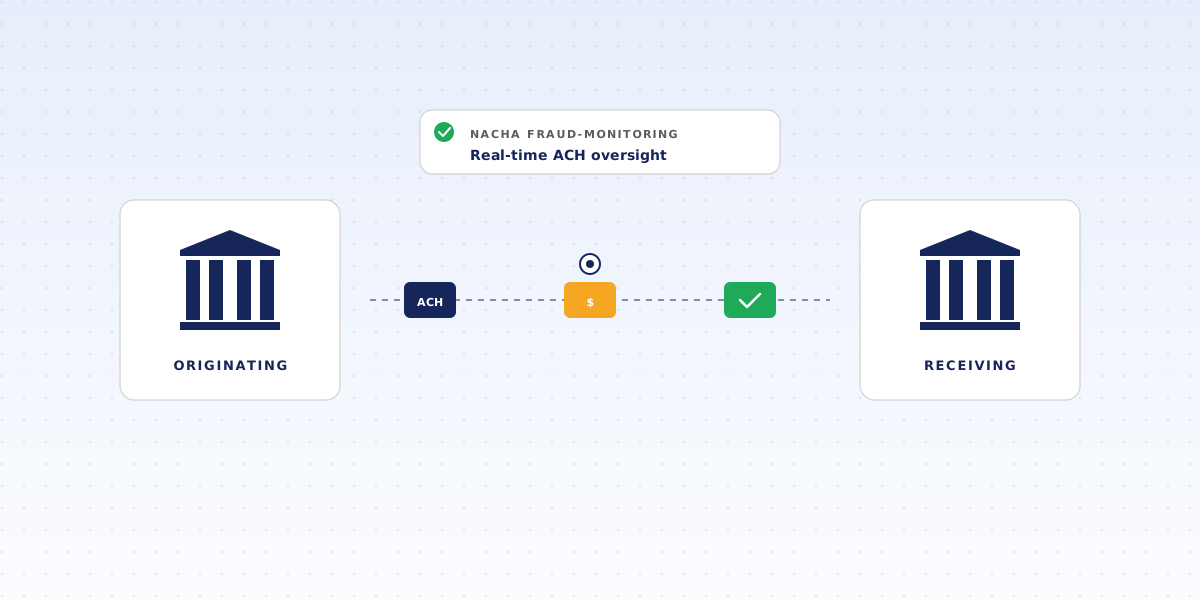

El NPRM del 7 de abril de 2026 señala la mayor reforma AML en EE. UU. en una generación - alejando a bancos, MSB e intermediarios de la conformidad técnica de casillas hacia la eficacia, programas basados en riesgo y resultados supervisores explicables.
Qué cambió el 7 de abril de 2026
La Red de Control de Delitos Financieros (FinCEN) del Departamento del Tesoro de EE. UU. emitió un Notice of Proposed Rulemaking que remodelaría fundamentalmente el cumplimiento del Bank Secrecy Act (BSA). El mismo día, la FDIC, la OCC y la NCUA emitieron un NPRM conjunto complementario para alinear sus respectivos requisitos de programa. Se espera que la Reserva Federal siga. El período de consulta pública se extiende hasta el 9 de junio de 2026 y se propone un período de implementación de 12 meses tras la emisión de la norma final.
Del cumplimiento técnico a la eficacia
La propuesta recentra las regulaciones AML/CFT en los propósitos subyacentes del BSA: identificar, prevenir e informar sobre delitos financieros. La atención supervisora y sancionadora se desplazaría hacia entidades con fallos significativos o sistemáticos de programa, en lugar de a incumplimientos técnicos menores. Los examinadores evaluarían si los programas realmente operan de forma eficaz - un cambio importante para entidades que históricamente lograban 'aprobar' por motivos procedimentales mientras seguían pasando por alto riesgos materiales.
Quiénes están incluidos
El NPRM se aplica ampliamente a las once categorías de entidades financieras reguladas por el BSA, incluidos bancos, cooperativas de crédito, empresas de servicios monetarios, intermediarios y otros. Los asesores de inversión y los profesionales inmobiliarios residenciales - añadidos en normas finales anteriores - siguen en la senda de la cobertura. Para cada uno, los cuatro elementos fundamentales del programa (políticas y controles internos, responsable de cumplimiento designado, formación continua, pruebas independientes) se mantienen, pero se reencuadran en torno a la eficacia demostrable.
Por qué importa para la tecnología de fraude
Un régimen basado en eficacia pone el foco en si los resultados de un programa - alertas, SAR, transacciones bloqueadas, disposiciones de casos - reflejan realmente una priorización basada en riesgo. Esto hace que la calidad de la monitorización de transacciones, la precisión de la puntuación de riesgo y la auditabilidad de cada decisión sean más importantes que nunca. Las entidades que operan sistemas heredados solo de reglas tendrán dificultades para demostrar eficacia; las plataformas basadas en IA que producen resultados explicables y listos para auditoría están ahora más cerca del marco regulatorio.
Qué deben hacer ahora las entidades financieras
Mapear los elementos actuales del programa frente a los criterios de eficacia propuestos. Identificar dónde no pueden explicarse las decisiones en detalle o dónde las relaciones alerta-SAR indican ruido en lugar de señal. Las cartas de comentario deben presentarse antes del 9 de junio de 2026 - las entidades con conocimientos operativos significativos deberían considerar aportar. Y planificar los 12 meses de implementación: los cambios tecnológicos, de gobernanza y de reporte de esta magnitud requieren tiempo.
Cómo ayuda UMCA
UMCA's Monitorización de Transacciones con IA and AML platform delivers the explainable, auditable, risk-based outputs that an effectiveness-based BSA regime expects.