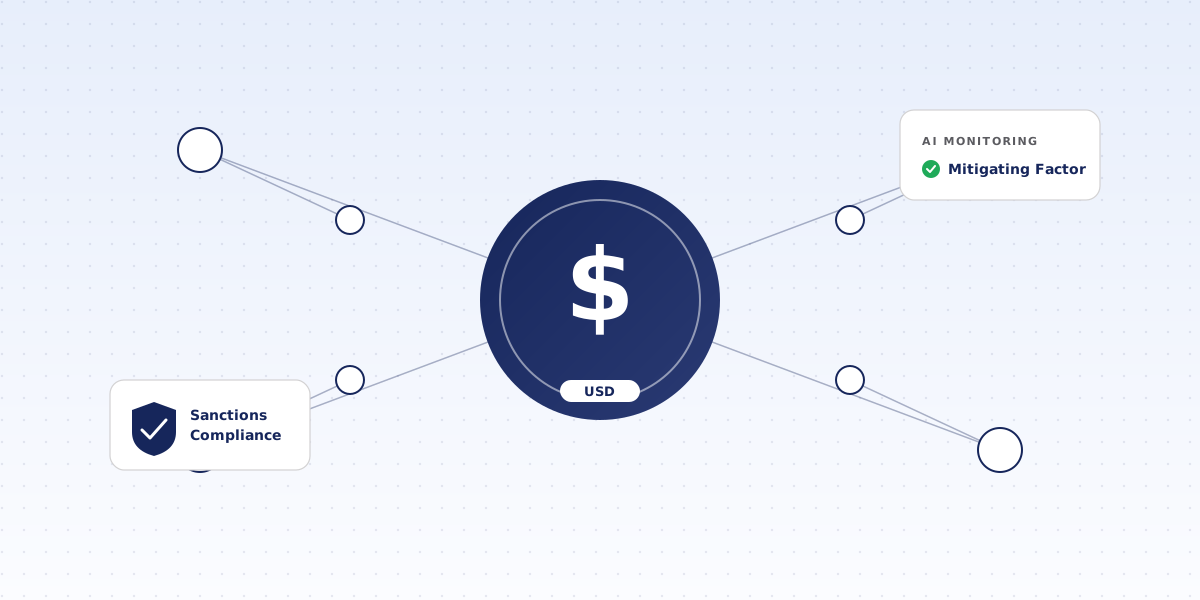
El 8 de abril de 2026, la FinCEN y la OFAC propusieron conjuntamente el primer marco integral de cumplimiento AML/CFT y de sanciones para emisores autorizados de stablecoins de pago - y citan explícitamente la monitorización basada en IA como factor atenuante en acciones de aplicación.
La Ley GENIUS y su norma de implementación
La Guiding and Establishing National Innovation for U.S. Stablecoins Act (Ley GENIUS), promulgada el 18 de julio de 2025, creó el primer marco federal de EE. UU. para stablecoins de pago. La norma conjunta propuesta el 8 de abril de 2026 por la FinCEN y la OFAC implementa los requisitos de programa de cumplimiento AML y de sanciones de la Ley GENIUS para emisores autorizados de stablecoins de pago (PPSI). Los comentarios deben presentarse antes del 9 de junio de 2026.
Las stablecoins son ahora entidades financieras BSA
La norma propuesta trata formalmente a los PPSI como entidades financieras bajo el Bank Secrecy Act. Esto implica obligaciones completas de programa AML/CFT, incluidas evaluaciones de riesgo, identificación del cliente, monitorización de transacciones, reporte de actividad sospechosa y mantenimiento de registros. Los PPSI también deben mantener programas eficaces de cumplimiento de sanciones - la primera vez que tales programas son exigidos por ley federal para cualquier tipo de entidad.
La innovación como factor atenuante
En un cambio notable respecto a regulaciones AML anteriores, el marco de supervisión y aplicación considera explícitamente el uso por parte de un PPSI de tecnologías innovadoras - incluidas IA, aprendizaje federado y herramientas avanzadas de monitorización - como factor atenuante al evaluar acciones supervisoras o sancionadoras. Es un incentivo estructural para que los emisores desplieguen tecnología avanzada de detección en lugar de herramientas mínimas de cumplimiento.
El contexto de financiación ilícita
El Tesoro ha vinculado las stablecoins a fraude en inversiones, financiación del terrorismo, narcotráfico y evasión de sanciones, y la FinCEN recibió aproximadamente 55 000 informes de actividad sospechosa haciendo referencia a stablecoins entre enero de 2015 y periodos recientes de reporte. Con la Ley GENIUS formalizando ahora la supervisión, esas preocupaciones se traducen directamente en obligaciones operativas para los emisores.
Qué deben planificar los emisores de stablecoins y las firmas adyacentes
PPSIs need a documented AML/CFT program that mirrors the broader FinCEN AML overhaul announced two days later. Sanctions compliance programs should follow OFAC's well-established five pillars. Bancos and payment providers contemplating stablecoin products should integrate stablecoin flows into existing fraud and AML monitoring rather than running parallel systems. Comment letters are due June 9, 2026.
Cómo ayuda UMCA
UMCA extiende su probada plataforma de detección de fraude con IA y AML a los flujos de activos digitales, con monitorización de blockchain, cribado de sanciones y gestión de casos en una única plataforma.