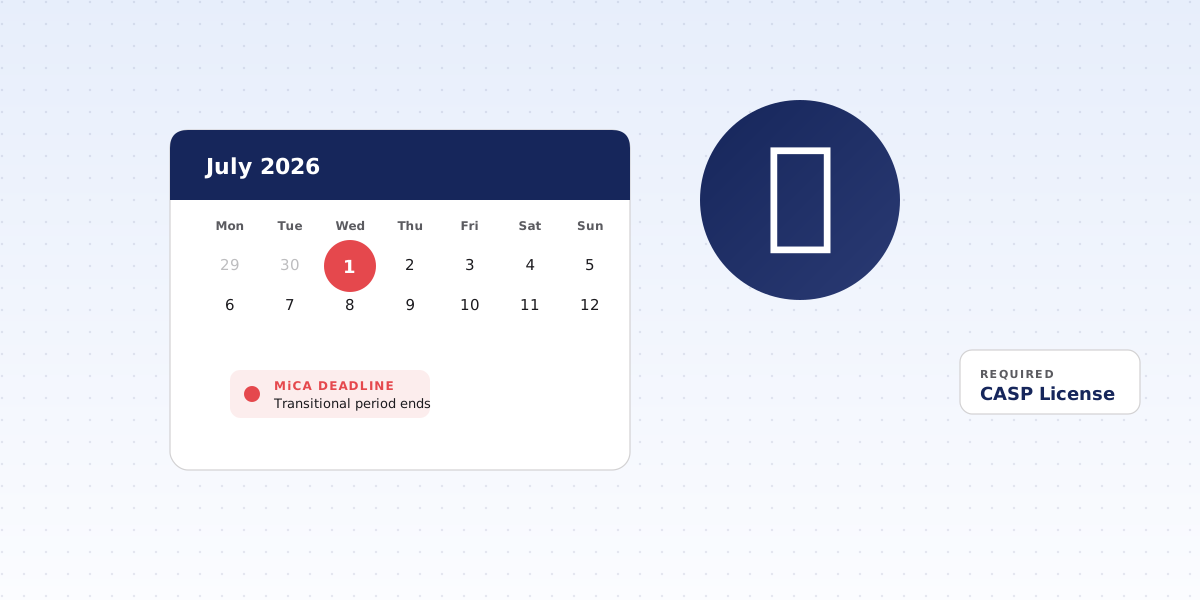
A ESMA confirmou a 17 de abril de 2026 que o período de transição MiCA em toda a UE expira a 1 de julho de 2026. Após essa data, qualquer entidade que preste serviços de criptoativos sem autorização CASP tem de cessar operações na UE.
MiCA: o quadro já está em vigor
O Regulamento Mercados em Criptoativos entrou plenamente em vigor a 30 de dezembro de 2024, introduzindo um sistema único de licenciamento em toda a UE para os Prestadores de Serviços de Criptoativos (CASP) em substituição dos regimes VASP nacionais fragmentados. Aos prestadores pré-existentes foi concedida uma janela de transição, ao abrigo do Artigo 143.º, n.º 3, para operarem sob regras nacionais enquanto obtêm autorização MiCA.
1 de julho de 2026: o prazo definitivo
A 17 de abril de 2026, a Autoridade Europeia dos Valores Mobiliários e dos Mercados confirmou que o período de transição MiCA em toda a UE expira oficialmente a 1 de julho de 2026. Após essa data, qualquer entidade que preste serviços de criptoativos sem autorização CASP tem de cessar operações na UE. O âmbito é amplo: exchanges de cripto, prestadores de carteiras custodiais, plataformas de empréstimos em cripto e qualquer entidade que ofereça serviços de criptoativos a clientes da UE, independentemente da sua sede.
A Travel Rule é a outra metade
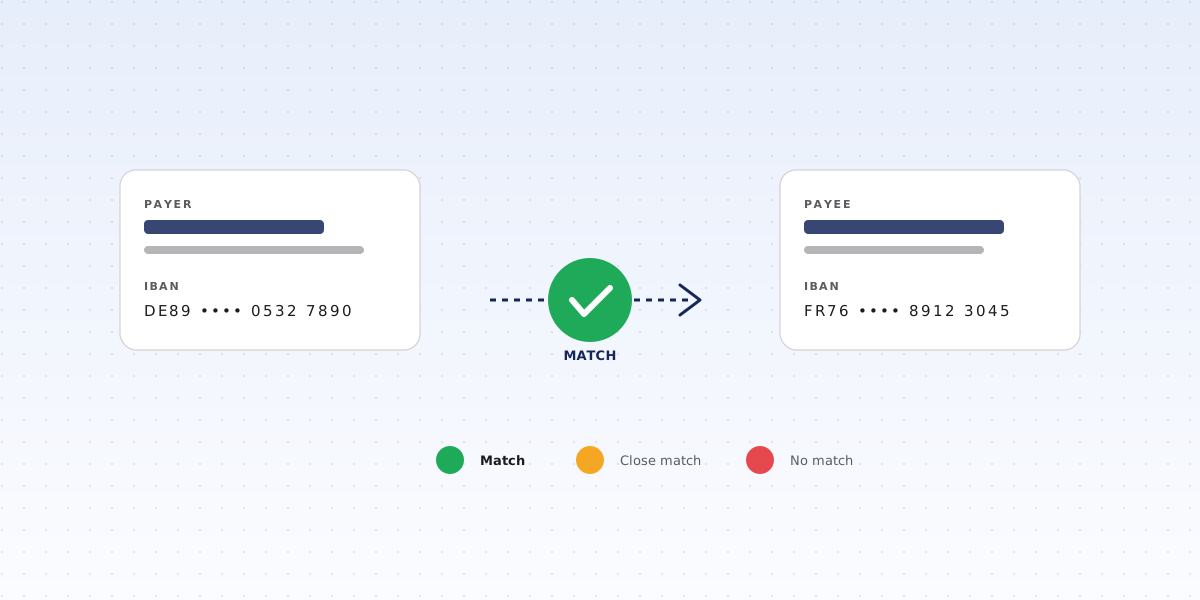
O Regulamento da UE sobre Transferência de Fundos, aplicável desde 30 de dezembro de 2024, traz a Travel Rule do FATF às transferências em cripto. Os CASP têm de recolher e trocar informação de ordenante e beneficiário para cada transferência - transformando as operações de cripto em algo próximo da conformidade tradicional em pagamentos, sendo agora esperados como base o KYT, o rastreio de sanções e os equivalentes a SAR.
Aplicação e consequências
O incumprimento de MiCA acarreta riscos sérios: coimas até 12,5% do volume de negócios, revogação de licença, responsabilidade pessoal de executivos incluindo interdições setoriais e divulgações públicas com impacto reputacional. Os reguladores nacionais estão a constituir equipas dedicadas à supervisão de cripto. Os pedidos de autorização de última hora devem esperar escrutínio acrescido.
O que as firmas de cripto devem fazer agora
Submeter imediatamente os pedidos CASP se ainda não tiverem sido apresentados. Construir a stack operacional AML que os reguladores irão efetivamente auditar: rastreio de carteiras, KYT, monitorização de transações, fluxos de dados Travel Rule, gestão de casos e reporte pronto para auditoria. As firmas que operam em vários Estados-Membros têm de respeitar a janela de transição aplicável mais curta. Olhando para lá de julho de 2026: o regime de supervisão direta da AMLA e o Regulamento AML da UE (aplicável a partir de julho de 2027) apertarão ainda mais as obrigações.
Como a UMCA ajuda
A plataforma da UMCA traz para o espaço cripto deteção de fraude com IA ao nível empresarial, motor de regras, análise comportamental e gestão de casos - construída para a conformidade operacional da era MiCA.